I expected this roll to look more like the Fuji film I already knew from C200: cooler color, prominent greens, and a noticeably different mood from Kodak’s consumer stocks. Instead, FUJIFILM 200 came back warm, yellow-rich, and surprisingly familiar.
Several frames reminded me much more of Kodak Gold 200 than the C200 rolls I had shot before. I used a Minolta X-700 with a Vivitar 28mm f/2.8 MC Wide Angle lens, rated the film at its box speed of ISO 200, and shot the roll almost entirely in sunny conditions.
What Is FUJIFILM 200?
FUJIFILM 200 is a daylight-balanced ISO 200 color-negative film for 35mm cameras. It uses standard C-41 processing, and Fujifilm describes it as a fine-grained general-purpose film with good sharpness, natural skin tones, and wide exposure latitude.
| Spec | FUJIFILM 200 |
|---|---|
| Film type | Color negative |
| Speed | ISO 200 |
| Format | 35mm / 135 |
| Exposures | 36 |
| Process | C-41 |
| Color balance | Daylight |
| Best suited to | Daylight, travel, everyday photography |
Swipe horizontally to view the full table.
The naming is more confusing than it should be. Fujifilm’s US site currently sells FUJIFILM 200, while some regional Fujifilm sites still list Fujicolor C200, so what is available depends on the market.
Fujifilm’s own 2022 technical sheet for FUJIFILM 200 says its photographic and processing characteristics are “almost the same” as C200 and that both can use a similar printer setup. That does not mean the two films have to look identical in every scan, and my experience with them certainly has not been identical.
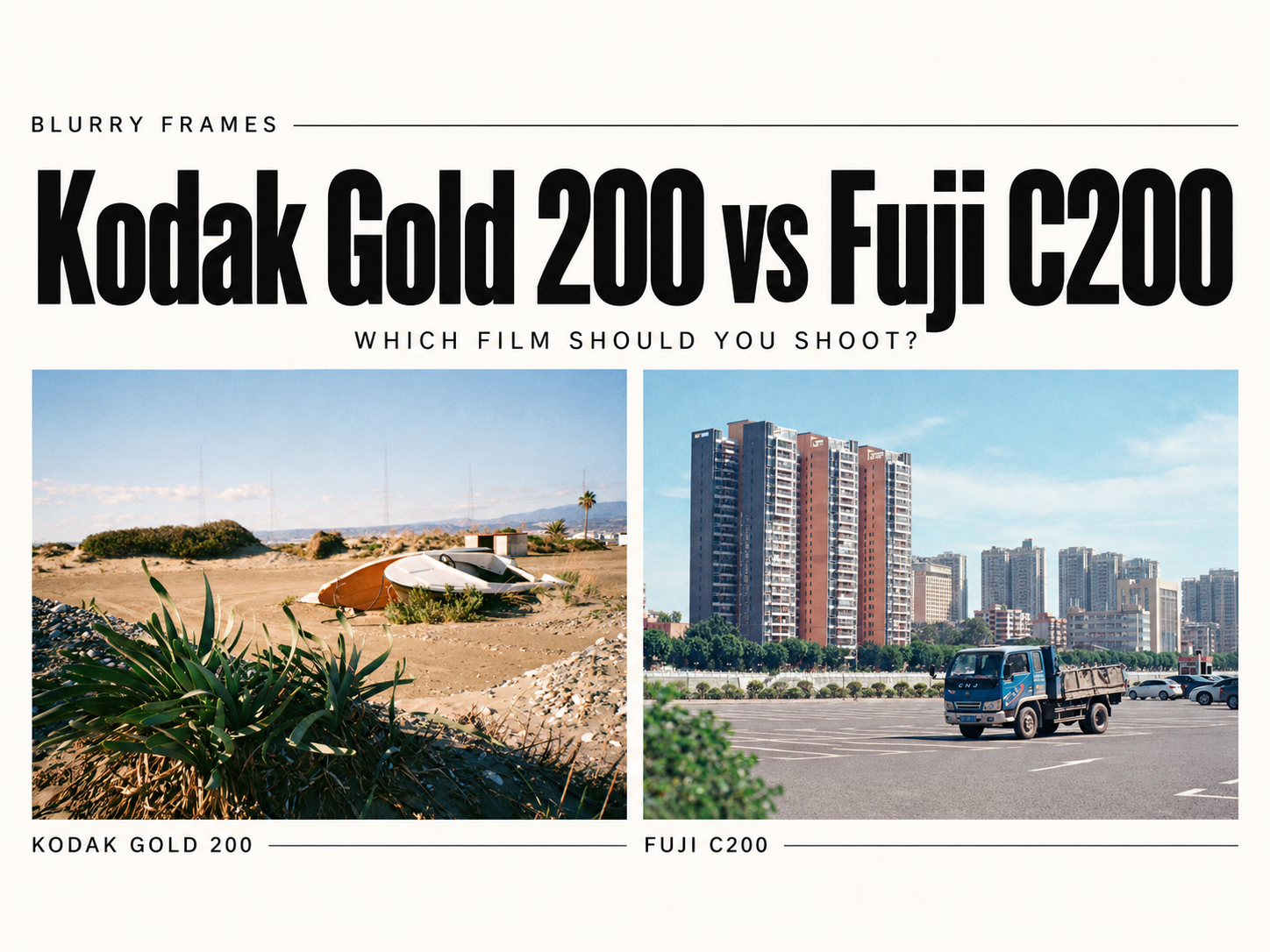
If you want to see how C200 behaved for me, I compared it with Kodak Gold in my Kodak Gold 200 vs Fuji C200 article.
Much Warmer Than I Expected
The biggest surprise from this roll was the color. Across the sunny street and park shots, yellows, dry leaves, skin, and warm highlights all stand out more than I expected from something carrying the Fujifilm name.
The greens are still strong, but they do not dominate the photographs. In scenes with a lot of foliage, they stay fairly natural while the warmer parts of the frame keep their yellow and golden character.
The backlit photographs make this particularly obvious. Sun hitting the playground, paths, railings, and autumn leaves produces a warm glow that feels much closer to the palette I normally associate with Kodak Gold than with the cooler C200 scans I had before.
These are lab scans rather than a controlled color test, so I would not claim that the negative alone is responsible for every part of the look. Scanning and color correction can move any color-negative film warmer or cooler, but the consistency across this roll was enough to catch my attention.
What About the Greens?
There was plenty of foliage on this roll, which made it a useful test. Trees, grass, and bushes hold separation well, but I do not see the strong cool or blue-green character that I associate with my previous C200 results.
Instead, the greens sit inside an overall warmer image. In the park photographs, yellow leaves and sunlit ground can be quite warm while the foliage still looks believable rather than shifting toward an exaggerated green cast.
That difference is one reason I would avoid treating FUJIFILM 200 and C200 as interchangeable based only on the ISO number and branding. My rolls were shot at different times rather than as a scientific side-by-side test, but they gave me noticeably different impressions.
Skin Tones, Highlights, and Hard Sun
The portraits were useful because they combine skin, dark clothing, greenery, and very bright sunlight. Skin came back natural to slightly warm, without the obvious green cast I might have expected, while the bright backgrounds kept a surprising amount of usable information.
Hard sun was more demanding. In the frame where the subject is standing deep in shade against bright apartment buildings, the background looks good while the person becomes very dark, which is a good reminder of how difficult that kind of contrast can be for both film and metering.
The backlit park images are more convincing. Bright sun can push the highlights hard, but the transition into them generally feels quite pleasant, and the extra warmth works particularly well with late-summer and early-autumn colors.
Grain and Sharpness
Grain is fairly restrained for an inexpensive ISO 200 color film. You can see texture in skies and smoother areas when looking closely, but it never becomes the main feature of the photograph.
The 28mm Vivitar also gave the film plenty of detailed material to work with: apartment blocks, branches, railings, and small street details all come through cleanly. I would not choose FUJIFILM 200 specifically for maximum resolution, but it is easily sharp enough for the kind of everyday, travel, and street photography it is designed for.
ISO 200 Works Best When the Light Is There
Sunny weather suited the film well. ISO 200 gave the X-700 plenty of flexibility outdoors, and most of the roll was shot without needing to think much about whether there was enough light.
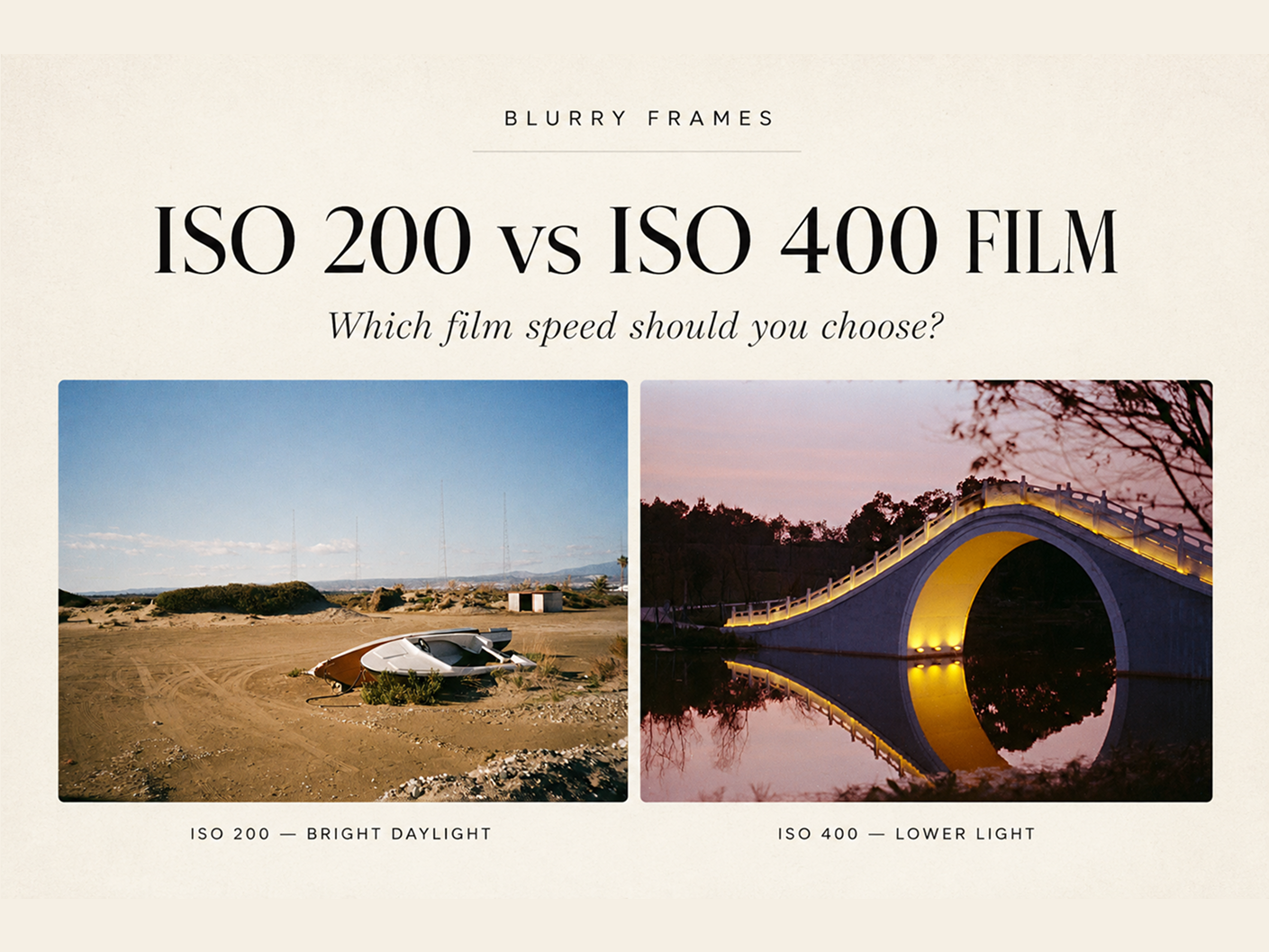
Things become less comfortable once you move into heavy shade or combine deep shadows with direct sun. That is not a special weakness of FUJIFILM 200 so much as the normal tradeoff of using a slower film, and my ISO 200 vs 400 film guide explains what you gain by moving up a stop.
For a sunny walk, holiday, or daytime street photography, I would happily stay at ISO 200. If I expected the same roll to carry me into cloudy weather, interiors, or evening, I would rather have ISO 400 loaded.
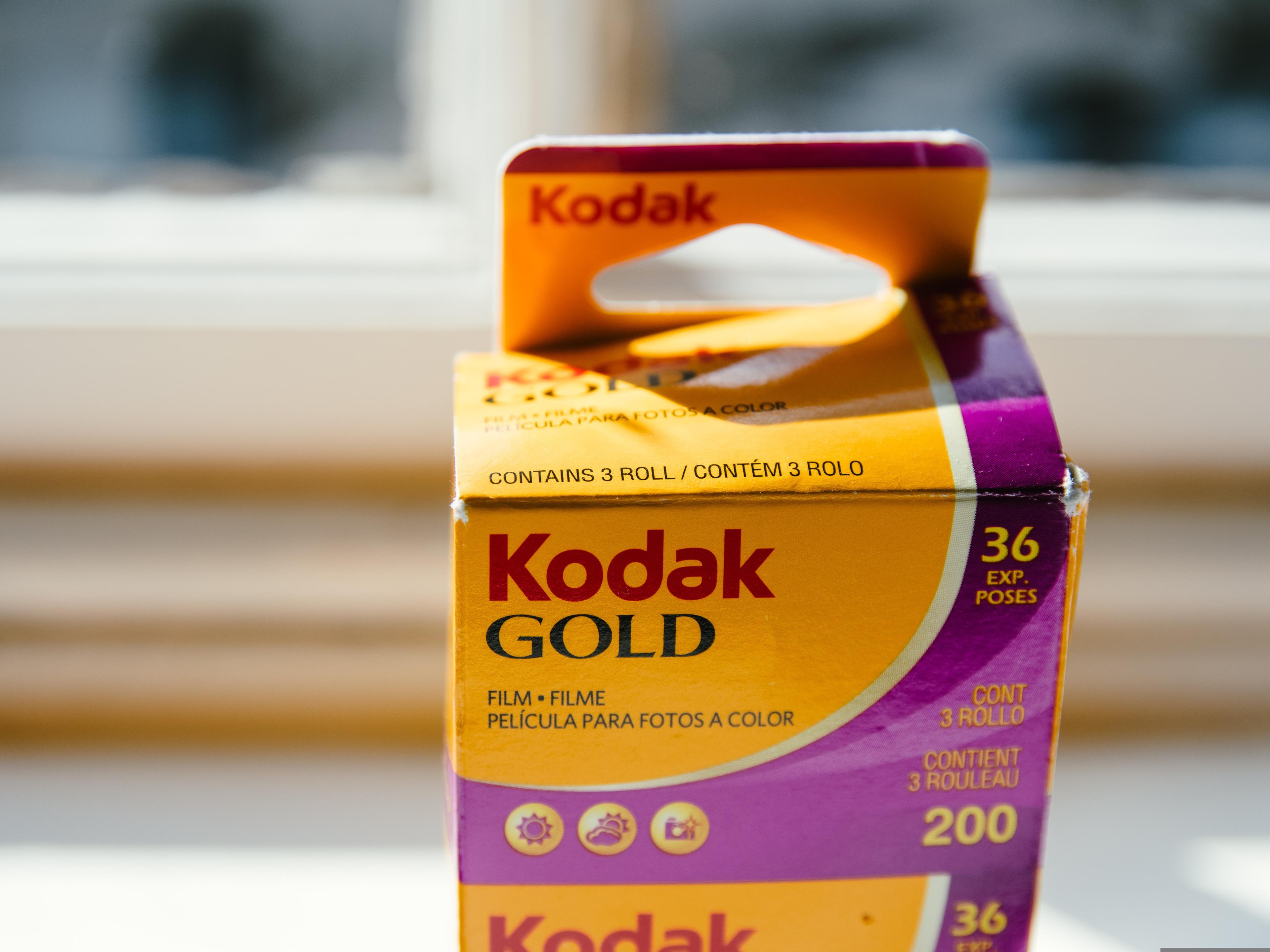
Is FUJIFILM 200 Actually Kodak Gold?
This question has followed the current FUJIFILM 200 almost since it appeared. When the film launched in North America, photographers noticed that the characteristic, spectral-sensitivity, and dye-density curves in Fujifilm’s technical sheet closely matched the curves published for Kodak Gold 200.
Fujifilm never publicly confirmed that FUJIFILM 200 is simply Kodak Gold in another cartridge. When asked about the similarity, the company said it works with manufacturing partners around the world as part of its production process, which leaves plenty of room for speculation without actually confirming the emulsion’s identity.
More recent side-by-side testing has only kept the discussion alive. Controlled comparisons using similar equipment, the same development, and consistent scanning have found Kodak Gold 200 and FUJIFILM 200 remarkably difficult to distinguish, especially in color.
My roll certainly fits that story. The warmth, yellows, natural greens, and overall balance look much closer to Gold than I expected, but I still would not call the two films identical without a true side-by-side test of my own.
If you already like that warmer Kodak look, this probably is not bad news. My Kodak Gold 200 review covers the stock that FUJIFILM 200 is so often compared with.
FUJIFILM 200 vs C200
Despite the similar names, the practical difference was noticeable in my photos. C200 gave me cooler color and a stronger green character, while this FUJIFILM 200 roll leaned warmer, with more obvious yellows and a balance that felt much more Kodak-like.
I would not turn that into a universal rule because these were different rolls, scenes, scans, and shooting conditions. What I can say is that shooting FUJIFILM 200 did not feel like returning to the C200 look I remembered, even though Fujifilm’s technical documentation describes the two as having very similar photographic and processing characteristics.
Is FUJIFILM 200 Worth Shooting?
FUJIFILM 200 makes a lot of sense as a simple daylight film. Grain stays fairly fine, color has plenty of life without becoming ridiculous, and ISO 200 is easy to work with when the weather is bright.
The more interesting part is its character. I went into the roll expecting something distinctly Fuji and came away with photos that frequently reminded me of Kodak Gold, which makes the choice between them less about chasing radically different color and more about availability, price, and what you actually enjoy shooting.
I would shoot it again. It did not give me the cooler Fuji look I expected, but as a warm, straightforward everyday color film, it worked very well for the sunny street and park photography I used it for.
This is still based on a single roll, though. Once I have shot more FUJIFILM 200 in different light and with a wider range of subjects, I plan to come back with a more detailed review and a better sense of how consistent this warm, Gold-like look really is.